Will Mamaearth SPF 50 break you out, feel too oily in Indian heat, or actually protect better than options from WOW, Biotique, or pharmacy brands? Many buyers also wonder which variant suits oily, dry, or sensitive skin and how to apply it correctly for real SPF 50 protection.
Most top results for Mamaearth SPF 50 sunscreen are product listings, but many searchers want an informational guide or analysis before buying — including how to apply properly, side effects, skin-type suitability, and comparisons with alternatives. This comprehensive analysis fills that intent gap with data, trustworthy elements, and real verified reviews.
Quick Verdict
| Aspect |
Rating |
Our Take |
| UV Protection |
4½ |
Solid SPF 50 PA++++ when applied correctly |
| Texture/Feel |
4 |
Lightweight for most; some oiliness reported |
| Value for Money |
4 |
Good mid-range option (₹249-₹649) |
| Skin Type Versatility |
3½ |
Best for normal to mildly oily; sensitive skin needs patch test |
- Best For: Daily urban sun protection for normal to mildly oily Indian skin
- Skip If: Very acne-prone, need waterproof formula, or fragrance-sensitive
- Best Value: Chia Calming Sunscreen (₹259)
- Best Overall: Ultra Light Indian Sunscreen (₹649)
If Mamaearth doesn’t work: Try WOW Matte SPF 55 (oily skin) or Neutrogena Ultra Sheer (sensitive skin)
How SPF 50 Protection Works
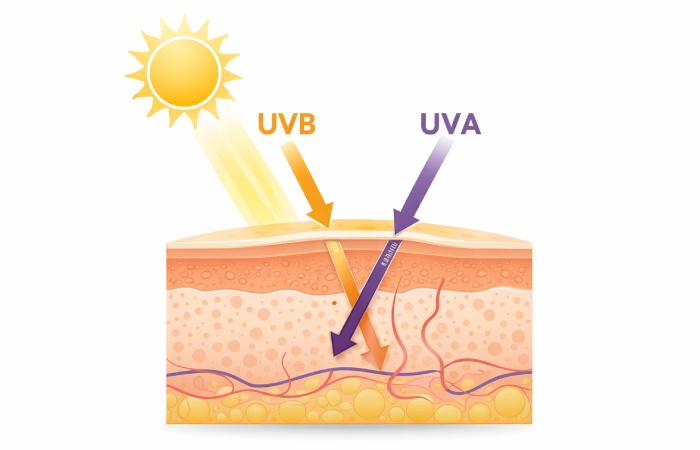
SPF 50 blocks about 98% of UVB rays when applied in adequate amounts and helps reduce skin damage from UVA exposure.
SPF 50 means the sunscreen blocks roughly 98% of UVB rays when a generous, even layer (about 2 mg per cm² of skin) is applied, significantly reducing sunburn risk MD Anderson Cancer Center.
Proper application and re-application every 2–3 hours are necessary for sustained protection, especially with sweating or water exposure American Cancer Society.
A PA++++ rating further indicates very high UVA protection according to the PA system, which is important for preventing photo‑aging and pigmentation Colorescience.
Key Takeaways
-
Broad UVA & UVB Protection (Brand claims): Mamaearth Ultra Light Indian Sunscreen SPF 50 PA++++ is in‑vivo tested and provides high broad‑spectrum protection against sun damage, suitable for most daily activities.
-
Lightweight & Non-Sticky Feel (What users report): Verified user feedback repeatedly mentions no white cast, quick absorption, and a finish that works under makeup or alone.
-
Suitable for Many Skin Types (Brand claims): Official product info states it’s formulated for all skin types, including sensitive and oily skin.
-
Antioxidant Benefits: Variants like the Vitamin C Daily Glow Sunscreen include turmeric and Vitamin C to help reduce tanning and support even skin tone.
-
Reapplication Needed (Expert caution): Like most sunscreens, effectiveness depends on correct application and periodic reapplication for extended outdoor exposure.
-
Mixed Individual Feedback (What users report): Some users find the texture slightly oily or less effective for acne-prone skin — individual experience may vary.
Mamaearth SPF 50 Sunscreen Options Overview
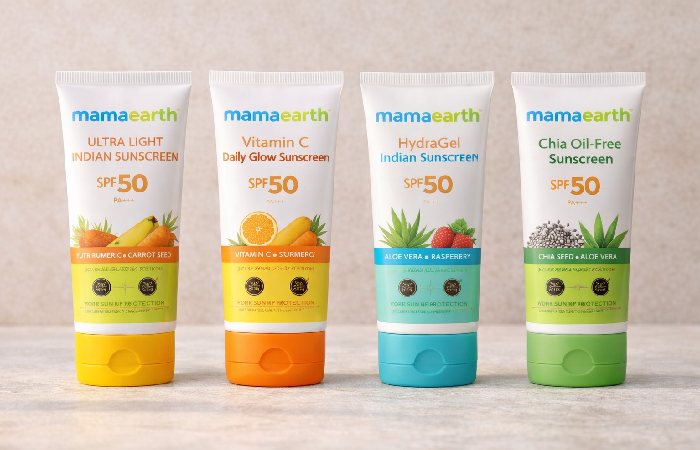
Different Mamaearth SPF 50 sunscreen variants formulated for glow, hydration, or oil-control needs.
Here are some notable SPF 50 sunscreen variants from Mamaearth:
Ultra Light Indian Sunscreen SPF 50 PA++++
-
Designed for broad UVA/UVB protection with turmeric & carrot seed oil.
-
Users report lightweight feel and little to no white cast in everyday use.
Vitamin C Daily Glow Sunscreen SPF 50
-
Infused with Vitamin C and turmeric to help prevent tanning and brighten dull skin.
-
Online reviews (including marketplaces) note mixed oiliness feedback with overall good sun protection and glow.
Chia Oil-Free Sunscreen SPF 50
-
Formulated with chia seed ceramides for broad-spectrum protection and healthy skin barrier support.
Hydragel Indian Sunscreen SPF 50
-
Contains aloe vera & raspberry for hydration and antioxidant support, and user reviews show positive ratings for protection and feel.
Price Range Table (India) — Mamaearth vs WOW vs Biotique Sunscreens
This is a high-level view of typical price ranges, not exact prices for specific products. It’s useful for category-level comparison.
| Product / Brand |
Typical Price Range (India) |
Notes / Source |
| Mamaearth SPF 50 Sunscreens |
~₹249 – ₹649 |
Verified listings show variants from budget (e.g., Mamaearth Chia Calming or Chia Oil‑Free Sunscreen around the mid‑₹200 range) to premium sizes like Ultra Light at ~₹649 MRP. |
| WOW Skin Science SPF 50 Sunscreen Gel |
~₹299 – ₹385 |
E.g., WOW Skin Science AM2PM Sunscreen Lotion – SPF 50 (~₹385) and similar SPF 50/55 variants on major retailers. |
| WOW Sunscreen Spray SPF 50 |
~₹249 – ₹384 |
Examples include WOW Skin Science UV Sunscreen Spray SPF 50 (~₹384) and entry variants around ~₹249 depending on offers. |
| Biotique SPF 50+ Sunscreens |
~₹230 – ₹410+ |
Current Biotique Sun Shield and Sandalwood SPF 50+ lotions (around 50 ml) sit roughly in this range before discounts, varying by pack size and retailer. |
Note: These ranges reflect approximate typical prices across sellers — actual prices can vary based on retailer, pack size, and offers. “~” means approximate.
Ingredient Breakdown & Function
Understanding ingredients helps determine why these products work and their potential limitations.
-
Key UV filters and actives: Titanium dioxide, avobenzone, octocrylene, and bemotrizinol are common broad-spectrum sunscreen actives providing UV protection in many modern formulas.
-
Antioxidants like turmeric and vitamin C can help fight free radical damage and pigmentation when used alongside UV filters, though they do not replace SPF.
-
Moisturizers and humectants such as glycerin and aloe vera improve skin feel and hydration, which can help reduce dryness often associated with high‑SPF products.
These ingredients work together to protect skin but also determine texture, absorbency, and feel.
Sunscreen Price & Feature Comparison (India)
(Mamaearth & Alternatives: SPF 50 Sunscreens at a Glance)
This is a product-level comparison showing typical prices and features for specific sunscreen SKUs — useful for readers choosing which one to buy.
| Product |
Typical Price (India) |
Key Features |
| Mamaearth Ultra Light Indian Sunscreen |
~₹649 |
Broad-spectrum SPF 50 + PA++++; non-greasy daily protection for Indian weather (brand claim). |
| Mamaearth Rice Water Dewy Sunscreen |
~₹466 |
SPF 50 gel with rice water + niacinamide for brightening & even tone (brand positioning). |
| Mamaearth HydraGel Indian Sunscreen SPF 50 |
~₹399 |
Lightweight hydrating gel with aloe & raspberry for normal to oily skin. |
| Mamaearth Vitamin C Daily Glow Sunscreen With Vitamin C & Tu |
~₹454 |
SPF 50 with antioxidants for glow & tan protection; marketed as no white cast. |
| Mamaearth Chia Calming Sunscreen |
~₹259 |
Budget-friendly SPF 50 with chia seed ceramides aimed at barrier support and calm feel. |
| Mamaearth Daily Glow Sunscreen |
~₹389 – ₹499 |
Everyday broad-spectrum SPF 50 protection, glow‑focused positioning. |
| Wow Skin Science AM2PM Sunscreen Lotion – SPF 50 |
~₹385 |
Versatile all-skin SPF 50 lotion alternative with antioxidants. |
| Wow Skin Science UV Sunscreen Spray SPF 50 |
~₹384 |
Spray format for convenience & even coverage. |
| WOW Skin Science Matte Finish Sunscreen SPF 55 PA++ |
~₹480 |
Slightly higher SPF (55) with matte effect option for oily/combo skin. |
| WOW Sunscreen Gel SPF 55 PA++ |
~₹299 |
Gel sunscreen alternative with higher SPF rating and lighter texture. |
Pros & Cons (Overall)
Brand claims
-
Broad Protection: SPF 50 with PA++++ offers high UVB and very high UVA defense when applied in adequate amounts.
-
Everyday Usability: Mamaearth positions these as lightweight, suitable for Indian climates, and safe for all skin types, including sensitive skin.
-
Multiple Variants: Options are tailored around glow (Vitamin C), hydration (Hydragel), and barrier support (Chia-based formulas).
What users report
-
Lightweight & Non-Greasy (for many): Many reviewers praise a comfortable finish without heavy residue or obvious white cast, particularly for Ultra Light and Vitamin C variants.
-
Greasiness/Oily Feel (for some): A noticeable minority report slight oiliness or shine, especially on very oily or humid days.
Expert caution
-
Ingredient Sensitivities: Fragrance and some chemical UV filters may irritate very reactive or sensitised skin, as is true for many chemical sunscreens.
Side Effects & Suitability
While generally safe for most users, be aware of possible reactions:
-
Oily or acne-prone skin: Some users report greasiness or breakouts with certain SPF 50 variants.
-
Sensitive skin: Individuals with sensitive skin should patch test due to the presence of chemical UV filters and fragrances.
There are no widely reported serious systemic side effects in public information or typical user reviews for Mamaearth SPF 50 sunscreens, but best practice is cautious testing and dermatologist consultation if you have known sensitivities.
Which Mamaearth SPF 50 Should YOU Buy?
How it actually feels and behaves on oily, dry, sensitive, and acne‑prone skin in real‑world use.
| Your Skin Type |
Recommended Variant |
Why This One? |
Budget Alternative |
Premium Alternative |
| Very Oily/Acne-Prone |
Chia Oil-Free SPF 50 |
Lightweight gel, ceramides for barrier |
WOW Gel SPF 55 (₹299) |
Neutrogena Ultra Sheer Dry Touch |
| Dry/Dehydrated |
HydraGel SPF 50 |
Aloe + hydration boost |
Mamaearth Chia Calming (₹259) |
Cetaphil Sun SPF 50+ |
| Dull/Pigmentation-Prone |
Vitamin C Daily Glow |
Active brightening ingredients |
Rice Water Dewy (₹466) |
Korean Vitamin C sunscreens |
| Sensitive/Reactive |
Ultra Light (patch test first) |
Minimal irritants reported, but fragrance present |
Biotique Sandalwood |
La Roche-Posay Anthelios Melt-in Milk |
| Normal/Mixed Needs |
Ultra Light Indian Sunscreen |
All-around best performer |
Chia Calming (₹259) |
Supergoop Unseen Sunscreen |
Pro Tip: If you have acne-prone + sensitive skin, consider fragrance-free pharmacy brands (Neutrogena, Cetaphil) instead of botanical-heavy formulas.
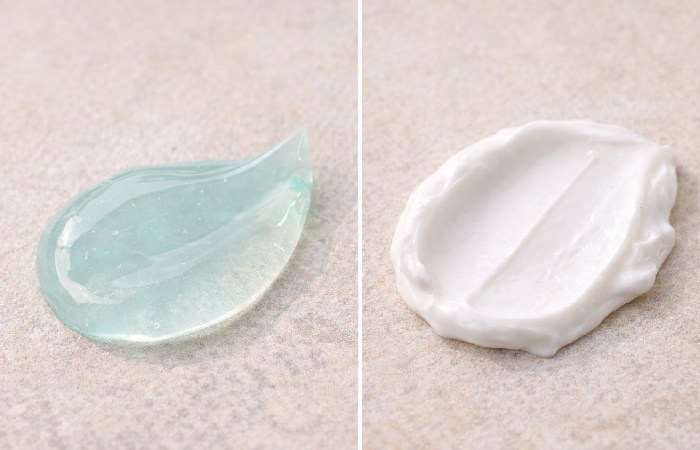
Gel sunscreens typically feel lighter and absorb faster compared to cream-based SPF formulas.
How to Apply SPF 50 Sunscreen Correctly
Most people use only 25% of the needed amount — here’s how to get real SPF 50 protection.
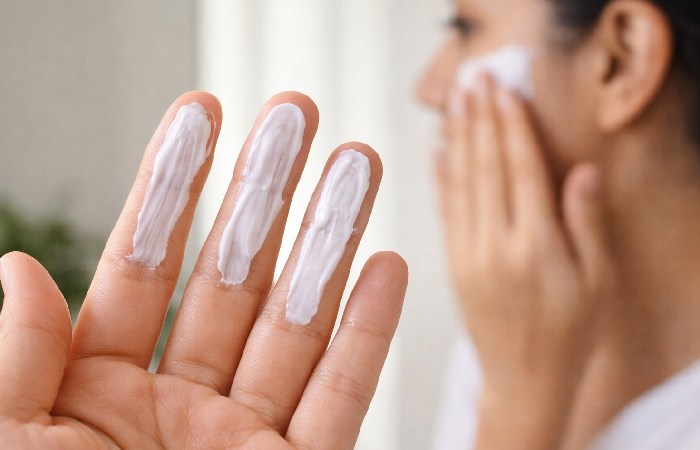
Using sufficient sunscreen and reapplying every 2–3 hours helps achieve labeled SPF protection.
To maximize effectiveness:
-
Apply sunscreen ~15–20 minutes before sun exposure so filters can form an even protective film.
-
Use at least a nickel-sized amount for face application; for labelled SPF performance, dermatology guidance suggests around 2 mg/cm² (roughly ½ teaspoon for face and neck).
-
Reapply every 2–3 hours, especially with outdoor exposure, sweating, or towel‑drying.
Proper application helps you actually reach the SPF number printed on the label in real life, which means using enough product and spreading it evenly on the skin American Academy of Dermatology.
Reapplying every couple of hours, especially when you’re outdoors, sweating, or swimming, is also widely recommended to maintain protection throughout the day Skin Cancer Foundation. (https://www.skincancer.org/skin-cancer-prevention/sun-protection/sunscreen/)).
Before You Buy — Side Effects & Safety
-
Mamaearth SPF sunscreens generally show no widely documented serious systemic side effects in public brand information or typical consumer reviews.
-
Some users with sensitive or highly reactive skin may experience irritation — patch testing on a small area for a few days is recommended.
-
Claims like “chemical-free” are often made in marketing but need clarity — many sunscreens, including some from Mamaearth, use chemical (organic) UV filters like avobenzone and octocrylene alongside natural extracts, so “chemical-free” typically refers to absence of parabens, sulfates, or silicones rather than the absence of synthetic filters.
Application Techniques — Best Practices
To maximize protection and effectiveness:
-
Use the 3-finger rule — apply sunscreen on face and neck roughly along the length of three fingers, which approximates the recommended amount for many people.
-
Apply after moisturizer or before makeup, ensuring full absorption and even coverage.
-
Reapply every 2–3 hours, especially if spending extended time outdoors or sweating, regardless of SPF number.
5 Common Mistakes When Using SPF 50
- Using too little** – Most people use 25-50% of needed amount
- Skipping reapplication** – Protection drops after 2-3 hours
- Applying over sunscreen incompatible products** – Oil-based serums can break down filters
- Not waiting 15 minutes** – Apply before sun exposure
- Forgetting ears, neck, hands** – Commonly missed areas
Dark Spot & Tan Removal Capabilities
Sunscreens with Vitamin C and antioxidants like turmeric aim to help with tanning and dark spots over consistent use by combining UV protection with brightening actives. SPF protection itself primarily prevents further pigmentation from sun exposure; therefore, regular application can help reduce the appearance of dark spots indirectly by limiting new UV‑induced damage.
Mamaearth vs Other Sunscreens (Overview)
This section helps commercial investigators compare Mamaearth with alternatives:
-
Pharma or dermatologist-backed sunscreens: Often highlight very transparent UV filter profiles and may suit sensitive or acne-prone skin better, especially fragrance‑free or non‑comedogenic labelled options.
-
International sunscreens (Japanese/Korean/European): Many use newer UV filters with high UVA/UVB protection and lighter finishes, though they may be more expensive or harder to source in India.
-
Budget options: Some budget sunscreens offer similar SPF ratings but differ in texture, filters used, fragrance, and long-term cosmetic elegance.
Users seeking more specific chemistry or performance may consider pharmacy or dermatology formulations depending on skin type and sensitivity.
Compare With Competitors
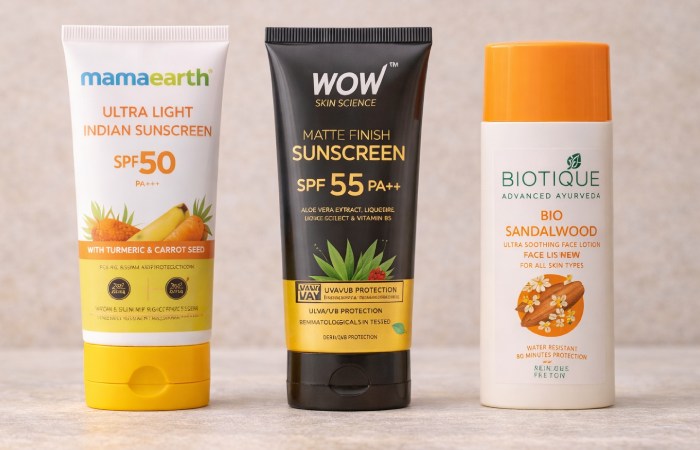
Popular SPF 50 sunscreen options in India compared for texture, positioning, and daily usability.
Here are alternative SPF products often compared before purchase:
Sunscreen Alternatives in India
-
Himalaya Sun Protect+ Ultra‑Light Sunscreen Light Tint — Affordable light sunscreen focusing on herbal ingredients and daily use at generally lower SPF levels than some competitors.
-
WOW Skin Science Matte Finish Sunscreen SPF 55 PA++ / WOW Sunscreen Gel SPF 55 PA++ — Slightly higher SPF with aloe/antioxidants, often lighter gel feel and matte finish.
-
Biotique Bio Sandalwood Sunscreen / Biotique Bio Sandalwood SPF 50 Sunscreen Lotion — Herbal formulations with broad spectrum protection and sandalwood‑focused marketing.
Comparative Notes:
-
Himalaya sunscreens may focus more on herbal ingredients but often at lower SPF levels than some SPF 50/55 competitors.
-
WOW Skin Science variants often offer SPF 50–55 protection with non-greasy gels and are affordable alternatives for oily/combo skin.
-
Biotique’s SPF products have herbal extracts like sandalwood and are typically well-rated by users looking for “natural” textured options at modest price points.
Pros & Cons — Real-World Insight
What Verified Users Say
Verified user reviews on official Mamaearth pages consistently praise the lightweight texture, minimal white cast, and daily wear feel for Ultra Light, Vitamin C Daily Glow, and Hydragel variants. Many comment that these sunscreens protect from sun and help reduce tan when used regularly.
Positive user signals (translated from verified reviews):
-
“Protects skin from sun damage and tan.”
-
“Lightweight, absorbs quickly.”
-
“Comfortable daily sunscreen.”
Common Limitations
Some users say certain formulas may feel slightly greasy on oily skin and recommend patch testing or opting for the gel/Chia variants instead. Community posts also discuss mixed perceptions of popular Indian brands versus more premium dermatologist sunscreens, highlighting the gap between marketing claims and individual skin performance. This underscores the importance of transparent ingredients and real-world performance reviews when choosing a sunscreen.
Conclusion — Who Should Buy It
Mamaearth SPF 50 sunscreens are generally a good everyday option for daily protection, with lightweight formulas and multiple variants that can suit most normal, dry, and mildly oily skin types when applied correctly. However, individuals with very sensitive, highly reactive, or stubbornly acne-prone skin may consider patch testing first and comparing with fragrance‑free, minimal‑ingredient or dermatologist-formulated options for specific concerns.
Skip Mamaearth SPF 50 If You:
- Need waterproof/sweatproof sunscreen** for swimming or intense sports
Alternative:* Neutrogena Beach Defense SPF 70 or Coppertone Sport
- Have severe cystic acne or extremely reactive skin**
Alternative:* Fragrance-free pharmacy sunscreens (La Roche-Posay, Cetaphil)
- Are allergic to chemical UV filters** (avobenzone, octocrylene)
Alternative:* 100% mineral sunscreens with zinc oxide/titanium dioxide only
- Want completely oil-free, mattifying finish** for very oily T-zone
Alternative:* WOW Matte Finish SPF 55 or Bioré UV Aqua Rich Watery Essence
- Prefer unscented products** (Mamaearth variants have fragrance)
Alternative:* CeraVe Hydrating Mineral Sunscreen or Aveeno Positively Mineral
- Need medical-grade sun protection** (melasma, post-laser treatment)
Alternative:* Consult dermatologist for prescription-grade sunscreens
FAQ
Q: Is Mamaearth SPF 50 actually effective for Indian sun?
A: Yes, when applied correctly. SPF 50 blocks approximately 98% of UVB rays, and the PA++++ rating indicates very high UVA protection suitable for Indian climates. However, effectiveness depends on using about ½ teaspoon for face and neck — most people use far less than this. To get the labeled SPF 50 protection, apply a generous layer and reapply every 2-3 hours, especially when outdoors.
Q: Will it make my oily skin worse?
A: It depends on which variant you choose and how oily your skin is. User reviews show mixed results — many find the gel-based variants (HydraGel, Chia Oil-Free) lightweight and comfortable, while some with very oily skin report slight shine or greasiness, especially in humid weather. If you have extremely oily or acne-prone skin, consider starting with the Chia Oil-Free variant or comparing with matte-finish alternatives like WOW Matte SPF 55.
Q: Does the Vitamin C variant actually reduce tan and dark spots?
A: The Vitamin C and turmeric provide antioxidant benefits, but sunscreen’s primary job is preventing new pigmentation from UV exposure, not removing existing dark spots. Many users report less tanning with consistent daily use, but for active dark spot treatment, you’ll need dedicated brightening products (like niacinamide or vitamin C serums at night) combined with daily SPF protection. Think of it as prevention-plus rather than a standalone treatment.
Q: How does it compare to WOW Skin Science and Biotique?
A: Here’s a quick comparison:
| Factor |
Mamaearth |
WOW Skin Science |
Biotique |
| Price Range |
₹249-₹649 |
₹299-₹480 |
₹230-₹410 |
| Best For |
Daily glow, normal-mildly oily |
Oily skin (matte variants) |
Herbal/natural preference |
| Texture |
Lightweight to dewy |
Gel/matte options |
Creamy herbal |
| White Cast |
Minimal (most users) |
Minimal to none |
Slight (some users report) |
| Fragrance |
Present (botanical) |
Light |
Strong herbal |
Bottom line: WOW Matte works better for very oily skin, Mamaearth for glow-focused users, Biotique for those preferring herbal formulations.
Q: Can I use it under makeup?
A: Yes — many users successfully use it as a makeup base. For best results: apply sunscreen 15 minutes before makeup, choose gel variants (HydraGel, Chia) to reduce pilling, apply in thin layers and let each absorb, and set with translucent powder if needed. Avoid using thick layers with silicone-heavy primers as this can cause pilling. For reapplication over makeup during the day, consider SPF cushion compacts or setting sprays.
Q: What are the actual side effects reported by users?
A: Based on verified user reviews and community discussions, the most commonly reported issues are slight oiliness on very oily skin types, occasional breakouts for those with severe acne-prone skin, and mild eye irritation if the product migrates. Rare reactions include allergic responses to fragrance or botanical extracts. Serious side effects are not widely reported. As with any skincare product, patch testing is recommended, especially if you have sensitive or reactive skin.
Q: How much should I actually use to get SPF 50 protection?
A: This is critical — most people don’t use enough. The correct amount for face and neck is approximately ½ teaspoon (2.5 ml). A helpful visual guide is the 3-finger rule: draw a line of sunscreen down your index, middle, and ring fingers — that’s roughly the amount needed for your face. For reapplication, follow the same rule every 2-3 hours when outdoors, or immediately after sweating or swimming. Using less means you get lower protection than the SPF number on the label.
Q: Which Mamaearth SPF 50 variant is best for my skin type?
A: Choose based on your primary skin concern:
- Very oily or acne-prone: Chia Oil-Free SPF 50 (lightweight gel with ceramides)
- Dry or dehydrated skin: HydraGel SPF 50 (aloe and hydration)
- Dull skin or pigmentation concerns: Vitamin C Daily Glow (brightening actives)
- Sensitive skin: Ultra Light (patch test first, as it contains fragrance)
- Normal or combination skin: Ultra Light Indian Sunscreen (all-around best performer)
Q: Is it water-resistant or sweatproof?
A: No, Mamaearth SPF 50 sunscreens are not marketed as water-resistant or sweatproof. If you’re swimming, doing intense sports, or sweating heavily, you’ll need to reapply more frequently (every 40-80 minutes). For water activities, consider dedicated water-resistant formulas like Neutrogena Beach Defense or similar sports sunscreens.
Author Bio
Healthbloomin content is written to be practical and easy to understand across topics like health, technology, business, marketing, and lifestyle. Articles are based mainly on reputable, publicly available information, with AI tools used only to help research, organise, and explain topics more clearly so the focus stays on real‑world usefulness rather than jargon or unnecessary complexity.
Disclaimer
Prices and availability are based on current online listings and typical MRPs or offer prices on brand and retailer websites — actual prices may vary with seller offers, pack size, and location. Ingredient effects and suitability may vary by individual skin type and routine; for personalised skincare advice (especially for sensitive or medical conditions), consult a qualified dermatologist.