Most brightening serums promise glow.
But if you have oily skin, “glow” often turns into clogged pores, midday shine, and new breakouts.
That’s the real frustration behind this search.
You’re not trying to look dewy. You’re trying to fade acne marks, smooth uneven tone, and reduce dullness — without making your skin oilier.
And if you’ve tried a random vitamin C or “radiance” serum that made things worse, you already know something important:
Not every brightening ingredient works the same way on oily skin.
So the real question isn’t:
“Which brightening serum is best?”
It’s:
“Which brightening serum works for oily skin without clogging pores or causing irritation?”
Let’s break this down properly — with science and selection logic.
Why Oily Skin Can Still Look Dull
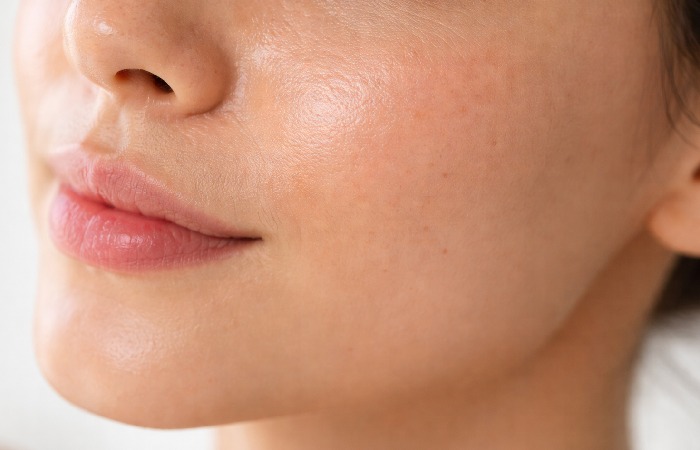
Sebum oxidation, clogged pores, and inflammation can make oily skin appear dull and uneven.
Oily skin doesn’t automatically look bright.
Several biological factors affect how your skin appears:
1. Sebum Oxidation
Sebum contains lipids like squalene. When exposed to pollution and UV rays, it oxidizes — which can slightly darken surface tone.
2. Clogged Pores
Congested pores disrupt light reflection, making skin look uneven.
3. Post-Inflammatory Hyperpigmentation (PIH)
Acne triggers inflammation. Inflammation stimulates melanocytes, increasing melanin production at those spots.
4. Barrier Damage
Over-cleansing and harsh toners weaken the skin barrier, increasing irritation — and irritation worsens pigmentation.
Brightening for oily skin is not about adding glow.
It’s about reducing inflammation, controlling oil, and regulating melanin production.
What “Brightening” Actually Means (Science Explained Simply)
Brightening serums typically target one or more of these biological processes:
-
Tyrosinase inhibition → reduces melanin production
-
Melanosome transfer reduction → limits pigment spread
-
Cell turnover support → removes pigmented surface cells
-
Inflammation control → prevents pigment overproduction
For oily skin, brightening must happen without triggering more oil or irritation.
What to Look for in a Brightening Serum for Oily Skin
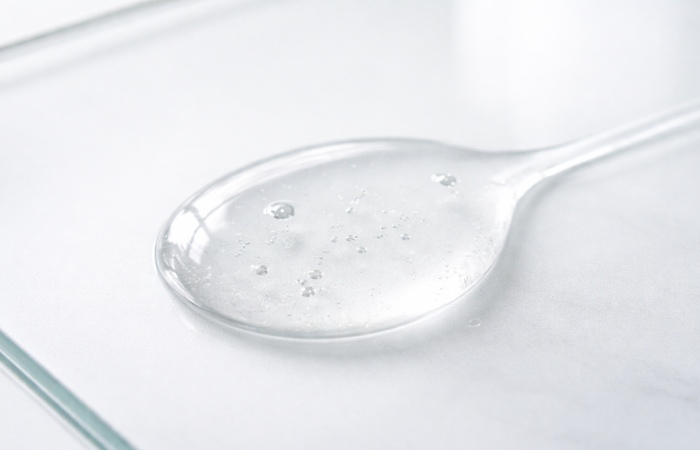
Water-based and gel serums absorb quickly without leaving greasy residue on oily skin.
Before choosing ingredients, check the formulation.
Lightweight Texture
Choose:
-
Water-based serums
-
Gel-based formulas
-
Fast-absorbing fluids
Avoid:
-
Thick cream serums
-
Heavy oil suspensions
If it feels greasy after 5 minutes, it’s not suitable.
Non-Comedogenic Formulation
This reduces pore-clogging risk — especially important for acne-prone skin.
Balanced Active Concentrations
More strength doesn’t mean better results.
Over-aggressive actives increase inflammation — which worsens pigmentation.
Science-Backed Ingredients That Actually Work
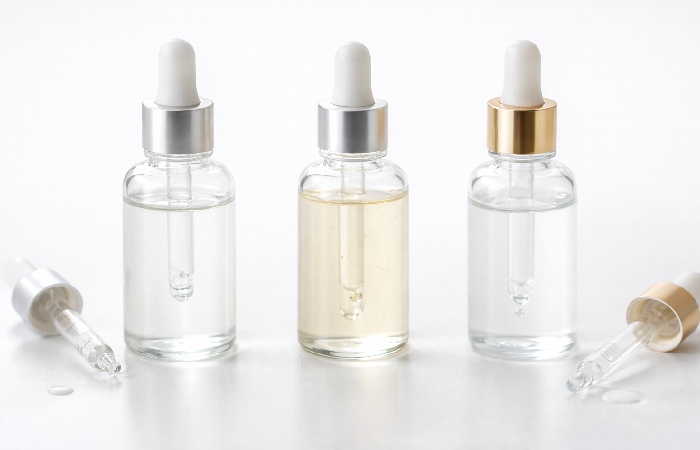
Niacinamide, vitamin C, azelaic acid, and salicylic acid are commonly used to target pigmentation and oil control.
Here’s what dermatology research supports:
If you want to see how different formulas compare in real‑world use, you can also browse this curated list of brightening serums for oily skin to check textures, actives, and finishes before you choose.
Don’t ignore supportive ingredients
- Alongside brightening actives, oily skin still needs hydration and barrier care. Look for:
- Humectants like glycerin or hyaluronic acid to keep skin hydrated without heaviness.
- Lightweight soothing agents like panthenol, allantoin, or centella to calm any irritation from actives.
- Barrier-support ingredients such as ceramides in a light, non-greasy base if your skin often feels tight or sensitised.
These help your skin tolerate brightening serums better and reduce the risk of over-drying or barrier damage, which is especially important for oily skin that still benefits from hydrating ingredients like hyaluronic acid and ceramides, as highlighted in this guide to hydrating ingredients for oily skin.
Niacinamide (Vitamin B3)
Niacinamide (Vitamin B3) is prized for oil control and evening skin tone.
Niacinamide improves skin tone and texture by inhibiting melanosome transfer from melanocytes to keratinocytes and by regulating sebum production, which can contribute to reduced hyperpigmentation and smoother skin with consistent use PMC niacinamide mechanisms review.
Mechanism:
Mechanism: Reduces melanosome transfer and lowers sebum production, and has been shown to improve hyperpigmentation and texture with consistent use, as summarised in this science-based niacinamide overview.
Why it’s ideal for oily skin:
-
Controls excess oil
-
Reduces redness
-
Improves uneven tone
-
Strengthens barrier
Ideal range: 5–10%
Best starting ingredient for beginners.
Vitamin C (L-Ascorbic Acid or Derivatives)
Vitamin C is a potent antioxidant commonly used in brightening serums.
Vitamin C helps brighten skin by acting as an antioxidant and reducing melanin synthesis, in part by interacting with copper ions at the tyrosinase active site to decrease the enzyme’s activity, supporting a more even, brighter-looking tone over time PMC vitamin C melanin study.
Mechanism:
Inhibits tyrosinase (melanin enzyme) and neutralizes oxidative stress.
Benefits:
Choose:
-
Lightweight water-based formulas
-
Moderate concentrations (10–15%)
-
Stabilized derivatives if sensitive
Avoid heavy or oil-based vitamin C suspensions.
Azelaic Acid
Mechanism:
Reduces inflammation and suppresses abnormal melanocyte activity.
Why dermatologists like it:
Best for oily, acne-prone skin with dark marks.
Salicylic Acid (BHA)
Mechanism:
Oil-soluble exfoliant that penetrates pores.
Role in brightening:
Best for oily skin with blackheads or recurring breakouts.
Alpha Arbutin
Mechanism:
Targets tyrosinase gently without strong exfoliation.
Best for:
Low irritation risk.
Ingredient Comparison: Which One Is Right for You?
| Ingredient |
Brightening Strength |
Oil Control |
Acne Support |
Irritation Risk |
Best For |
| Niacinamide |
Moderate |
High |
Moderate |
Low |
Oil + mild pigmentation |
| Vitamin C |
High |
Low |
Low |
Moderate |
Stubborn dark spots |
| Azelaic Acid |
Moderate–High |
Moderate |
High |
Low–Moderate |
Acne + pigmentation |
| Salicylic Acid |
Indirect |
High |
High |
Moderate |
Congested oily skin |
| Alpha Arbutin |
Moderate |
None |
None |
Low |
Sensitive pigmentation |
This table simplifies decision-making.
How to Choose the Right Brightening Serum (Step-by-Step)
Instead of guessing, diagnose.
Step 1: Identify Your Main Concern
-
Acne marks → Vitamin C or Azelaic Acid
-
Excess oil + dullness → Niacinamide
-
Frequent clogged pores → Salicylic Acid
-
Sensitive pigmentation → Alpha Arbutin
Step 2: Evaluate Texture
Oily skin should prioritize:
-
Gel formulas
-
Water-based serums
-
Quick absorption
Texture is often more important than ingredient strength.
Step 3: Start With One Active
Avoid combining:
Introduce gradually.
Step 4: Always Use Sunscreen
UV exposure increases melanin production.
Without SPF, brightening efforts reverse.
SPF is non-negotiable.
Product Comparison Based on Ingredient Profiles
Instead of focusing on marketing claims, compare products by formulation logic.
| Product Type |
Key Ingredients |
Texture |
Best For |
| Niacinamide 10% Gel Serum |
Niacinamide + Zinc |
Lightweight gel |
Oil control + mild spots |
| Azelaic Acid 10–15% Serum |
Azelaic + soothing base |
Fluid/light cream |
Acne + pigmentation |
| Vitamin C 10–15% Serum |
LAA or derivative |
Water-based |
Stubborn marks |
| Salicylic 2% Serum |
BHA + calming agents |
Gel |
Congestion + texture |
| Arbutin + Niacinamide Serum |
Alpha Arbutin 2% |
Water serum |
Sensitive pigmentation |
Choose based on concern — not trend.
Product Examples in India (Ingredient-Focused Comparison)
If you’re shopping in the Indian market, here are examples based on formulation logic rather than marketing claims:
1. Niacinamide-Focused Option
2. Azelaic Acid Option
3. Vitamin C Option
4. Salicylic Acid Option
5. Gentle Pigmentation Option
Important:
Always check ingredient list, concentration, and texture rather than relying only on brand popularity.
How to Use a Brightening Serum Without Making Oily Skin Worse
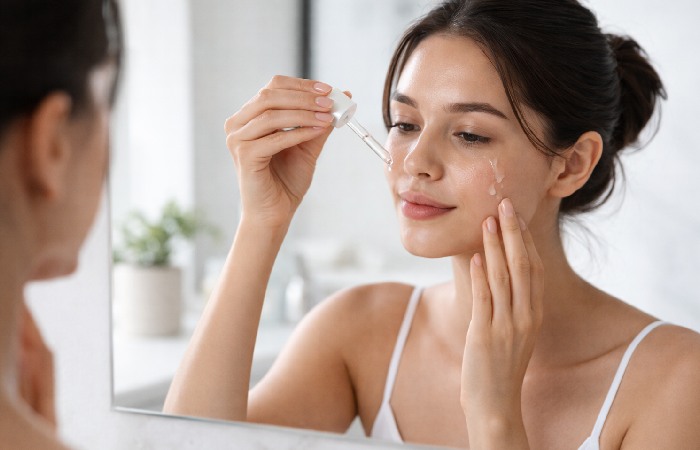
Apply a thin layer of serum on clean skin before moisturizer and sunscreen for best results.
Morning Routine
-
Gentle cleanser
-
Brightening serum (niacinamide or vitamin C)
-
Lightweight moisturizer
-
Broad-spectrum sunscreen
Night Routine
-
Cleanser
-
Treatment serum (azelaic or salicylic)
-
Moisturizer
Start 3–4 times weekly if new.
How Long Until You See Results?
Healthy expectations:
-
2–3 weeks → Oil control improves
-
4–6 weeks → Texture smooths
-
6–8 weeks → Visible fading of marks
Skin turnover takes time. Quick results often mean irritation.
Common Mistakes That Slow Down Brightening
Consistency beats intensity.
Who Should Use a Brightening Serum for Oily Skin?
- Oily or acne-prone skin
- Post-acne pigmentation
- Uneven tone
- Enlarged pores + dullness
Who Should Be Cautious?
- Active cystic acne
- Compromised skin barrier
- Extremely reactive skin
- Repair first. Brighten later.
Final Verdict
The best brightening serum for oily skin isn’t the strongest one.
It’s the one that:
For most oily skin types:
-
Niacinamide is the safest starting point.
-
Azelaic acid works well for acne + marks.
-
Vitamin C is effective when chosen carefully.
-
Salicylic acid improves brightness indirectly through pore care.
Brightening isn’t about shine.
It’s about balance, clarity, and barrier health.
Choose smart. Use consistently. Protect daily.
Frequently Asked Questions (FAQs)
Which is the best brightening serum for oily skin?
The best brightening serum for oily skin depends on your concern. Niacinamide helps control oil and mild pigmentation, vitamin C targets acne marks, and azelaic acid supports both acne and dark spots.
Can oily skin use vitamin C serum daily?
Yes, oily skin can use vitamin C daily if the formula is lightweight and water-based. Starting with a 10–15% concentration can help reduce irritation risk.
Does niacinamide brighten oily skin?
Niacinamide can improve skin brightness by reducing excess oil production and limiting melanin transfer, which helps improve overall tone and clarity over time.
How long does it take to see results from a brightening serum?
Oil control improvements may appear within 2–3 weeks. Visible fading of dark spots typically takes 6–8 weeks with consistent use and daily sunscreen protection.
Should I apply brightening serum in the morning or at night?
Niacinamide can be used morning or night. Vitamin C is commonly used in the morning with sunscreen, while azelaic acid is often better tolerated at night.
Author bio
Healthbloomin content is written to be practical and easy to understand across topics like health, technology, business, marketing, and lifestyle. Articles are based mainly on reputable, publicly available information, with AI tools used only to help research, organise, and explain topics more clearly so the focus stays on real‑world usefulness rather than jargon or unnecessary complexity.
Disclaimer
This article about brightening serum for oily skin is for general information only and is not medical or dermatological advice. Always patch test first and consult a dermatologist if you have acne, sensitive skin, allergies, or any skin condition. Stop use and seek medical advice if irritation or discomfort occurs. Use of any product or routine mentioned is at your own risk.