If you’re eyeing Ethiglo Face Wash, you’re probably wondering things like: “Will this actually fade my dark spots?”, “Can it make my skin darker if it doesn’t suit me?”, or “Is it too strong for my skin type?”. This guide answers those worries in plain language, using what we know about Ethiglo’s ingredients and how similar formulas behave on real skin.
Quick summary – Is Ethiglo worth it?
Ethiglo is a brightening, foaming face wash loaded with actives like kojic acid, niacinamide, glycolic acid, lactic acid, salicylic acid, vitamin C and liquorice extract. In simple terms, it’s designed to:
-
Deep‑clean oil and dirt.
-
Lightly exfoliate dead skin.
-
Support a more even, brighter tone over time.
However, it is not a miracle bleach or spot‑eraser, and it can be too intense for very dry or very sensitive skin.
You’ll probably like Ethiglo if:
-
Your skin is oily or combination and feels dull or tanned easily.
-
You’re looking for a “active” face wash to support a brightening routine, not do all the work alone.
You may want to avoid or be cautious if:
-
Your skin is dry, sensitive, has eczema, or often reacts to new products.
-
You already use a lot of strong actives (peels, strong retinoids, high‑strength acids).
What’s inside Ethiglo – and what those ingredients actually do
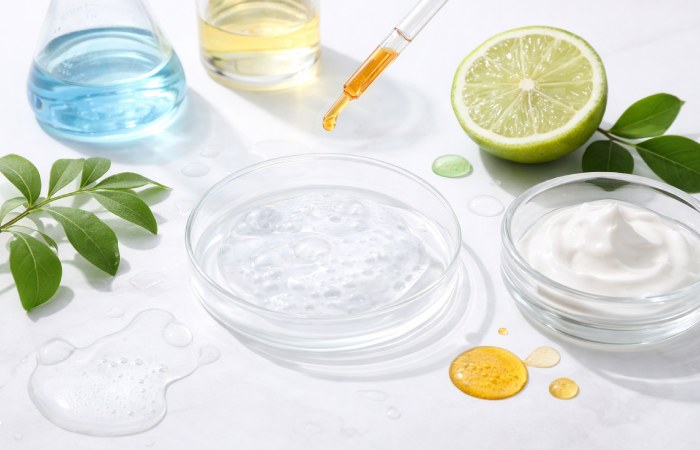
Ethiglo contains multiple brightening and exfoliating ingredients commonly used in dermatology-style cleansers.
Ethiglo’s formula is more “dermat‑clinic style” than a simple drugstore cleanser. It typically includes:
-
Kojic acid
-
Niacinamide (nicotinamide)
-
Liquorice extract
-
Vitamin C
-
AHA–BHA blend (glycolic acid, lactic acid, salicylic acid)
-
Vitamin E, panthenol, allantoin
-
Foaming base, perfume, and in some variants, triclosan
Important safety note about triclosan
Some Ethiglo variants list triclosan, an antibacterial ingredient in the face wash. In 2016, the U.S. Food and Drug Administration issued a rule that removed triclosan from many over‑the‑counter antibacterial soaps and washes after manufacturers failed to provide enough data to show it was safe and more effective than plain soap and water for everyday use. Major health organisations and scientific reviews also highlight concerns about triclosan’s potential to disrupt hormones and its persistence in the environment, which is why many experts now advise limiting long‑term, daily use of products that contain triclosan when safer alternatives are available.
What you can do as a user
-
Check your Ethiglo pack or online INCI list to see if triclosan is present.
-
If you prefer to minimise triclosan exposure (for health or environmental reasons), choose Ethiglo variants or alternative cleansers that do not contain triclosan and rely instead on mild surfactants and regular cleansing with plain soap and water, which many dermatology‑led resources consider sufficient for daily use in place of antibacterial washes such as those containing triclosan.
-
If you are pregnant, breastfeeding, or have thyroid or other hormone‑related concerns, it is sensible to speak to your doctor before using triclosan‑containing products regularly, because research and expert reviews discuss triclosan as a potential endocrine‑disrupting chemical that can interfere with hormone systems.
Kojic acid
Kojic acid is widely used in brightening products because it interferes with melanin production (the pigment that creates dark spots). Clinical work on kojic‑acid creams shows:
-
Noticeable improvement in hyperpigmentation over 8–12 weeks.
-
It’s less powerful than hydroquinone but still helpful for mild to moderate dark spots.
So in a cleanser, kojic acid can support a brighter, more even look, but because it is rinsed off, expect a gentle “supporting actor” effect, not the main treatment.
Niacinamide
Niacinamide is one of the most researched cosmetic ingredients today. Studies show it can:
-
Reduce dark spots and uneven tone.
-
Calm redness and inflammation.
-
Decrease excess sebum (oil) and help acne.
-
Support the skin barrier and hydration.
In practice, that means Ethiglo can both brighten and help oily, acne‑prone skin feel less greasy and inflamed over time.
Glycolic, lactic and salicylic acids (AHA/BHA)
These acids act like a mild “chemical scrub” that:
-
Loosen dead skin cells at the surface, making skin look smoother and a bit brighter.
-
Help unclog pores and reduce blackheads/whiteheads, especially salicylic acid.
Dermatology and medical sources also warn that over‑using glycolic acid can cause:
-
Dryness, burning, redness, and flaking.
-
Increased sensitivity, sometimes even darker patches (post‑inflammatory pigmentation) in some people.
So these are powerful tools – great in the right hands, risky if overdone.
Liquorice extract and vitamin C
Liquorice (glabridin) and vitamin C are common brightening antioxidants. They help by:
-
Reducing new pigment formation.
-
Providing some antioxidant protection against sun and pollution damage.
Again, as part of a cleanser, they support an overall brightening routine more than they deliver dramatic stand‑alone results.
Does Ethiglo Face Wash really work?
Short answer in plain talk: Ethiglo can help your skin look a bit brighter, cleaner and more even over time, especially if you’re oily or combination and you pair it with sunscreen and a simple routine. It will not erase deep or long‑standing pigmentation by itself.
Clinical data on similar ingredients gives us a realistic timeline:
-
Kojic acid and niacinamide creams/serums show visible lightening of dark spots after around 8–12 weeks of consistent use.
-
Those are leave‑on products. A cleanser spends less than a minute on your face, so its effect is milder.
Real‑life scenario
Riya, 27, has oily skin and new acne marks on her cheeks. She switches from a basic soap to Ethiglo twice a day, adds a niacinamide serum at night and uses sunscreen every morning. After about 8 weeks:
-
Her skin looks a bit more even and less dull.
-
Some of her newer brown spots have softened in colour.
-
Old, deep marks are still there, just slightly lighter.
This matches what studies find: brightening ingredients reduce hyperpigmentation over weeks, but they don’t “delete” scars or very old patches.
Does Ethiglo make skin darker?
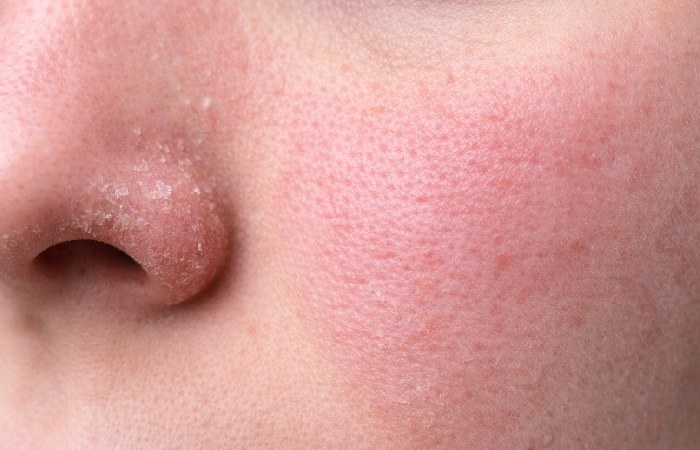
Overuse of active cleansers can lead to dryness, irritation, or sensitivity in some skin types.
This is a common fear: people try a “whitening” face wash and feel they got darker instead. Ethiglo itself is not meant to darken skin, but certain mistakes can lead to that impression.
Why some people feel darker
-
Over‑exfoliation and irritation
When you over‑use acids like glycolic or salicylic acid, you can damage your barrier. Irritated skin can develop redness, peeling, and, in some people, darker patches after inflammation (post‑inflammatory hyperpigmentation).
-
No sunscreen
Brightening and exfoliating ingredients can make skin more sensitive to UV. If you step out without sunscreen, you may tan faster or get uneven darkening.
-
Mixing too many actives
Using Ethiglo plus a strong glycolic peel, strong vitamin C and a new retinoid all at once is like hitting your skin from every angle. The result can be redness, burning and eventually patchy dark spots.
Scenario example
Anita adds Ethiglo twice daily and also starts a strong glycolic acid toner every night. Within two weeks, her cheeks burn after washing, look blotchy and slightly darker around the mouth. This pattern fits what expert sources describe when glycolic acid is over‑used – irritation and sometimes darkening due to inflammation.
How to prevent darkening
-
Start once a day (at night), then go to twice daily only if your skin is comfortable.
-
Always use a moisturiser after washing, especially if you feel tight or dry.
-
Use a broad‑spectrum sunscreen every single morning if you care about brightening.
-
Avoid combining Ethiglo with strong scrubs, strong peels, or too many new actives at once.
If your skin clearly gets darker and more irritated after starting Ethiglo, stop and let your skin recover. If the darkening persists, see a dermatologist.
Side effects: what to realistically watch for
Because Ethiglo contains multiple acids and brightening agents, side effects are possible, even if most people tolerate it reasonably well.
Common side effects
Medical and product sources list these as common reactions:
-
Dryness or tightness after washing.
-
Mild burning, tingling, or stinging.
-
Redness or slight irritation.
These often mean your skin barrier is stressed or you’re using it too often.
Extra caution if your Ethiglo variant contains triclosan
Some Ethiglo face washes still use triclosan as an antibacterial agent. Triclosan has been removed from many everyday washes in other countries because of long‑term safety and environmental concerns, including potential hormone disruption and environmental persistence. If you don’t specifically need an antibacterial cleanser, it’s reasonable to choose a triclosan‑free Ethiglo variant or an alternative brightening face wash instead, especially for long‑term daily use.
Less common but more serious reactions
Less commonly, people can experience:
-
Intense burning or pain.
-
Swelling, hives or rash (allergic reaction).
-
Peeling, raw patches.
-
Darker spots after inflammation.
In these cases, stop using it immediately and speak to a doctor or dermatologist.
Scenario example
Sana starts Ethiglo twice daily. Within a week her skin feels extremely tight, the corners of her nose are flaky and washing stings. These are classic signs of over‑exfoliation dermatology sources associate with glycolic acid and similar actives. The right move is to cut down usage or stop, add a gentle cleanser and moisturiser, and only re‑introduce later if her skin is comfortable.
Which skin types does Ethiglo suit best?
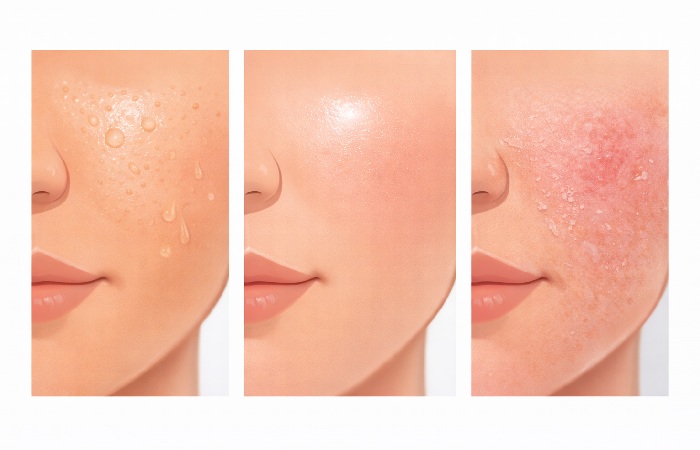
Active, foaming cleansers tend to suit oily or combination skin better than very dry or sensitive skin.
Because it is a foaming, active‑rich cleanser, Ethiglo is not equally kind to all skin types.
| Skin type |
Fit for Ethiglo? |
Why it matters |
| Oily / combination |
Usually suitable |
Benefits from oil‑control, exfoliation and brightening actives. |
| Normal |
Usually suitable |
Fine once daily; moisturise if you feel dry. |
| Dry |
Use with caution |
Acids and foaming base can worsen dryness and tightness. |
| Very sensitive |
Often not ideal |
Higher chance of burning, redness and irritation from acids and perfume. |
If you have active eczema, rosacea, or very reactive skin, a bland, non‑foaming cleanser is usually safer. Save brightening actives for leave‑on serums under derm guidance.
How to use Ethiglo the right way
Directions from multiple pharmacies and clinics are broadly similar.
Step‑by‑step
-
Wet your face with lukewarm (not hot) water.
-
Take a pea‑sized amount of Ethiglo in your palm.
-
Gently massage over damp skin for about 20–30 seconds – no scrubbing or harsh rubbing.
-
Rinse thoroughly and pat dry with a soft towel.
-
Follow with moisturiser and, in the daytime, sunscreen.
How often to use
-
Start: once daily (preferably at night).
-
If your skin feels comfortable (no burning, no flaking), you can move to twice a day.
-
If you feel tight or irritated, reduce to once a day or every other day, and add a gentler cleanser in the morning.
The “3‑second rule” in skincare (and how it applies)
Some skincare enthusiasts talk about a “3‑second rule” – meaning, apply your moisturiser within a few seconds after washing so your skin doesn’t dry out. You don’t need to count to three, but the idea is valid: don’t leave your face bare and tight for long after cleansing, especially with an active‑rich wash like Ethiglo. Apply moisturiser while your skin is still slightly damp so you lock in hydration.
How long does Ethiglo take to show results?
Evidence from kojic‑acid and niacinamide products suggests:
-
It takes around 8–12 weeks for significant improvement in dark spots and uneven tone with leave‑on products.
-
A cleanser will give milder improvements, but you can still see:
-
Immediately: skin feels cleaner and looks a bit brighter right after washing.
-
2–4 weeks: slightly more even tone and fewer “dull” days if used consistently with sunscreen and a simple routine.
If you use Ethiglo for just a week or two and expect dramatic before/after changes, you’re likely to be disappointed.
Is Ethiglo dermatologist recommended? Is it a good brand?
Ethiglo is commonly sold through pharmacies, derm‑linked stores and clinic‑related websites, and many dermatologists in India do recommend it as a brightening cleanser for oily, combination or pigmentation‑prone skin – usually as part of a broader routine, not as the only treatment.
You can think of it as:
-
A clinic‑style, active‑rich brightening face wash.
-
Best used under guidance if you have existing skin conditions or are already on prescription treatments.
Always tell your dermatologist if you’re using Ethiglo so they can adjust your other actives (retinoids, peels, etc.) accordingly.
Precautions, what to avoid, and when to stop
To make Ethiglo work for you rather than against you:
Do:
-
Patch test on a small area for a few days if you have sensitive skin.
-
Use moisturiser after every wash.
-
Wear sunscreen every day, especially if you go outside.
Avoid:
-
Harsh physical scrubs alongside Ethiglo.
-
Combining multiple strong acids and peels unless a dermatologist tells you to.
-
Using it on broken, very irritated or sunburnt skin.
Stop and get help if:
-
You see intense burning, swelling, blisters, or rashes.
-
Your skin becomes very red, raw, or develops persistent dark patches after starting the product.
Quick FAQs in plain language
Does Ethiglo actually work?
It can help your skin look cleaner, brighter and more even over time thanks to ingredients like kojic acid and niacinamide, which have clinical support for treating pigmentation – but most of that evidence is from leave‑on products, so think of Ethiglo as a helpful cleanser, not a stand‑alone cure for dark spots.
Can Ethiglo cause pimples?
If it over‑dries or irritates your skin, your barrier can get upset and you might see more breakouts. Over‑use of acids like glycolic has been linked to irritation and flare‑ups in some people, so listen to your skin and scale back if things get worse.
What age is okay to use Ethiglo?
There’s no strict “age”, but because it’s an active‑rich product, it’s usually more appropriate for older teens and adults dealing with oiliness, dullness or pigmentation. Pharmacies often advise consulting a doctor before using it on children.
What should I avoid while using Ethiglo?
Avoid harsh scrubs, strong peels and layering too many new actives (like high‑strength acids and retinoids) unless a dermatologist says it’s okay, because this raises your risk of burning and dark spots.
Does Ethiglo remove tan and dark spots?
It can help fade mild tan and newer dark marks over time by exfoliating and brightening, but for deeper or older pigmentation you’ll need targeted serums or medical treatments as well.
Author Bio
Healthbloomin content is written to be practical and easy to understand across topics like health, technology, business, marketing, and lifestyle. Each article is based mainly on reputable, publicly available information, with AI tools used only to help research, organise, and explain topics more clearly so the focus stays on real‑world usefulness rather than jargon or unnecessary complexity.
Disclaimer
This article is for informational purposes only and does not constitute medical advice. It is not a substitute for professional diagnosis, treatment, or guidance from a qualified healthcare provider. Always consult your dermatologist or doctor before starting, changing, or stopping any skincare product, especially if you have existing skin conditions, are pregnant or breastfeeding, or are taking other medications.
How this review was created
This review is based on publicly available information about Ethiglo Face Wash (including ingredient lists and product descriptions), published dermatology and cosmetic science literature, and reputable health resources such as FDA updates, major hospital websites, and endocrinology/thyroid organisations. The content was drafted with the assistance of an AI writing tool and then reviewed and edited for accuracy, clarity, and balance by the author.