When it comes to peptide use in research, knowing what to avoid is as important as understanding what to use. Peptide handling, storage, and experimental design mistakes can affect data and contaminate results, sometimes even leading to safety signals.
This article will explore mistakes to avoid and best practices for using peptide agents to achieve smooth, reliable results. Keep in mind that the products discussed in this article are meant only for research purposes, and not for human or animal usage.
Peptides are used widely for research, preclinical models and translation studies due to their specific, modifiable and ease of use compared to full proteins. However, all these benefits require unique handling techniques to get accurate results. A small mistake, such as improper reconstitution, storage or conflating research data, can easily damage the samples or give a biased result. When using peptide compounds, you should make sure to avoid:
Not having a Study Roadmap
First, avoid skipping a clear study plan. Before starting, ensure you have defined controls, endpoints and sampling time. Remember, peptide pharmacokinetics and biological windows vary. Secondly, keep your expectations aligned with the preclinical scope or in vitro work and don’t treat research peptides like finished therapeutics. All information, including lot numbers, storage, duration, reconstitution details and solvent spruced, should be recorded for reproducibility.
Repeated Thawing and Refreezing
Repeated thawing and refreezing can increase the risk of aggregation and chemical degradation. Exposure to light can also affect peptide stability, as most solutions are light sensitive.
Storing peptide agents at the wrong temperature for prolonged periods should also be avoided. Make sure to always label vials with date and storage conditions to prevent costly sample loss. Avoid shaking reconstituted peptide solutions rigorously; mix them gently to prevent foam or denaturation.
Dosing and Concentration Errors
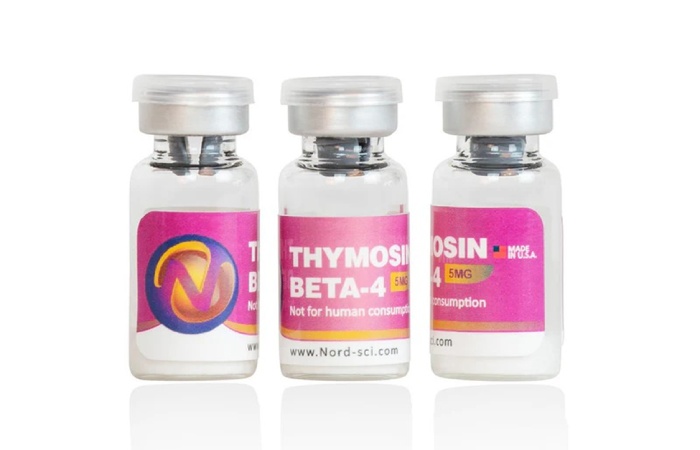
Don’t assume dose equivalency across all models. Doses used in mice, rats, or in vitro studies do not scale linearly to larger animals or humans. Also, don’t rely mainly on published doses, as peptide purity and vehicles can vary. Utilize mass-based dosing based on the peptide potency and purity. Overly high concentrations in cell culture can also impact stability.
Using the Wrong Solvents
When it comes to reconstitution and solvents, the first thing to avoid is using the wrong solvent. Most lyophilized peptides should be reconstituted first in sterile water. While for hydroponic peptides, a small volume of DMSO will be needed before dilution.
Strictly adhere to the peptide-specific solubility notes. Don’t use aggressive solvents or pH extremes that can degrade peptides. And repeated freeze-thaw cycles should be avoided whenever possible; consider acquiring if necessary.
Non-sterile water can damage peptides; therefore, use sterile water that is labeled bacteriostatic whenever protocols call for it. Prolonged storage of reconstituted peptides at room temperature can also affect their stability. The ideal temperature if the peptides are going to be stored for a short-term is 4°C, while for long-term storage is −20°C or −80°C.
Contamination
Make sure you sterilize the preparation surfaces before starting, because it can affect the entire outcome. Don’t reuse needles, syringes and Cap mats to prevent cross-contamination.
Make sure your environment is always clean, and when using a multi-dose vial for repeated experiments, adhere strictly to aseptic technique. Use sterile, bacteriostatic solutions and clearly label aliquots where necessary.
Don’t assume that bacteriostatic agents make products indefinitely safe. Bacteriostatic water helps limit microbial growth, but it doesn’t represent sterile technique or provide extended precautions. You can check and familiarize yourself with guidance on safe injection practice.
Visit https://www.highpeptide.com/index.php/new/index/id/46.html to gain more insight into how to store peptides.
Peptide Interaction Pitfalls
Mixing peptides with incompatible compounds can significantly affect solution stability and the final result. Some peptides react with reducing agents, metal ions or proteases in complex media.
Ignoring protease activity in biological fluids should be avoided as well. Serum or tissue homogenates have proteases that can degrade some peptides unless protease inhibitors are used.
Avoid overlooking concomitant treatments that can confound interpretation. Each peptide-like label has a different biological behavior, so don’t assume they are the same.
Conclusion
Peptides are increasingly gaining popularity as new solutions for contemporary research. Their ease of use has greatly reshaped medical research credibility and a lot more.
However, to get an accurate result during research or studies, there is a need to strictly follow usage guidelines and familiarize yourself with the dos and don’ts of using peptides in terms of interaction and confounders, contamination and sterility, dosing and concentration, reconstitution and solvent to avoid costly mistakes.